← All articles
Punchlist Checklists · August 28, 2026 · 11 min read
Residential Construction Punch List Checklist: Room-by-Room Guide + Free Template
A complete residential construction punch list checklist organized room by room — exterior, kitchen, baths, bedrooms, electrical, plumbing, HVAC, finishes, and final cleanup. Free downloadable template included.
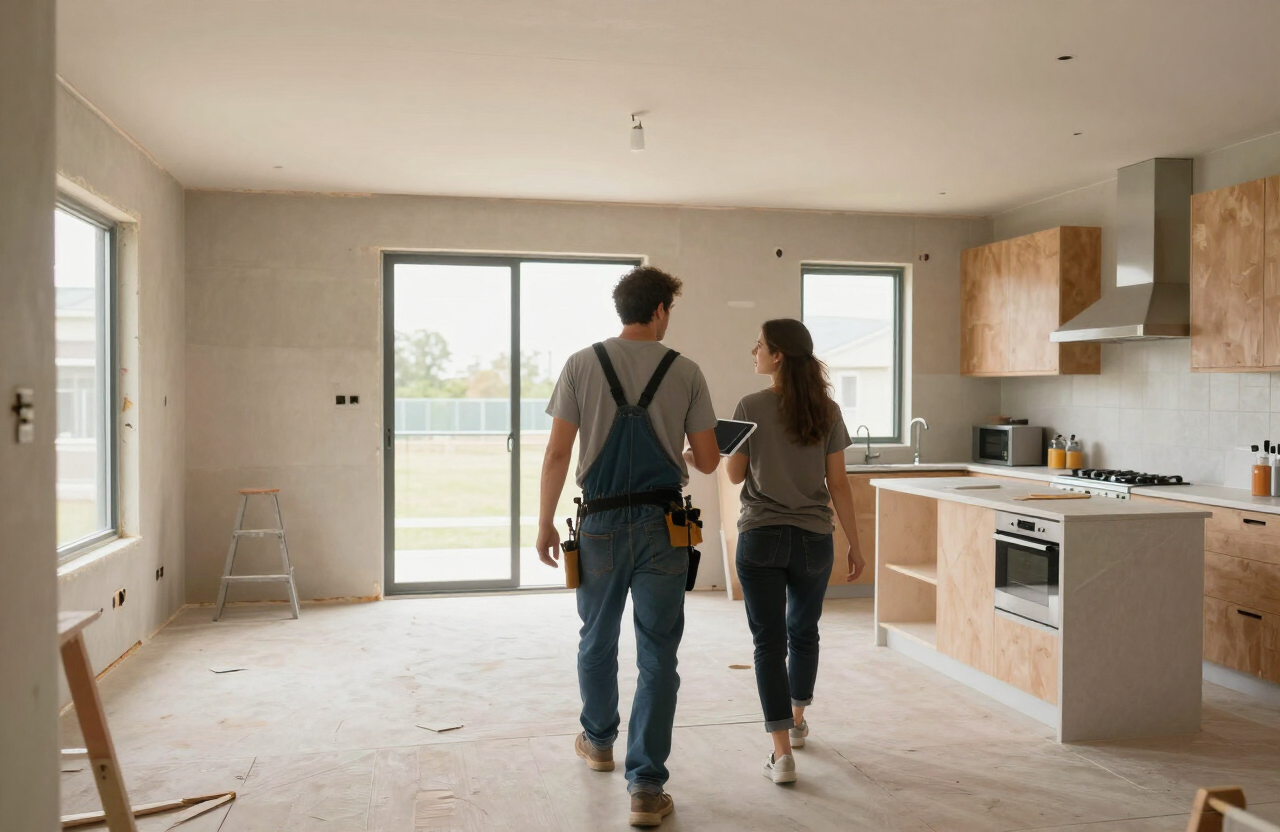
A residential construction punch list checklist is the single most useful document a builder or homeowner can carry into a final walkthrough. It turns a vague "does everything look right?" walk into a systematic, room-by-room inspection that catches the small defects — the scratched door, the misaligned outlet, the caulk line that pulled away — before the owner moves in and they become callbacks.
This guide gives you a complete residential construction punch list checklist organized by room and system, with practical tips for each area. At the end, you can download a free checklist template or run the whole thing digitally in QuickPunch — logging photo-backed items on site and dispatching each one to the right subcontractor in seconds.
How to use this checklist
Walk the home in a fixed order — exterior first, then interior room by room — so nothing gets skipped. For every deficiency, capture a photo, the exact location (room, wall, fixture), and a specific, measurable note. "Trim damaged" is useless three days later; "3-inch gouge in baseboard, east wall, master bath" tells the sub exactly what to bring and where to go. Assign each item to a responsible trade before you move on.
Prefer to run this digitally? You can start a free QuickPunch account at /app and log every item with a photo, location, and assignee right from your phone — no spreadsheet required. To see the full workflow first, watch the product demo.
1. Exterior punch list
Start outside. Exterior defects are the most visible to an owner pulling into the driveway and the most exposed to weather, so they should not wait.
- Siding and trim: check for gaps, cracked boards, uneven courses, and uncaulked joints
- Brick and stone: look for mortar smears, chipped faces, and uneven joints
- Roof: verify shingle alignment, flashing at valleys and penetrations, and ridge cap condition
- Gutters and downspouts: confirm secure attachment, proper slope, and extensions discharge away from foundation
- Doors and windows: test operation, check weatherstripping, look for scratches in finishes and broken seals (fog between panes)
- Driveway, walks, and patio: check for cracks, spalling, uneven slabs, and proper drainage slope
- Grading and landscaping: confirm soil slopes away from foundation and seed/straw is in place
- Exterior fixtures: test lights, hose bibs, and outlets (GFCI)
Tip
Photograph every elevation from the same angle you would view it from the street. Those wide shots become your before-and-after reference when a fix is claimed complete.
2. Kitchen punch list
The kitchen has the most installed components per square foot of any room, so it generates the most punch list items. Inspect it slowly.
- Cabinets: check door and drawer alignment, soft-close operation, scratches, and finish consistency
- Countertops: look for seams, chips, scratches, and caulk at the backsplash joint
- Sink and faucet: test for leaks, drainage, sprayer function, and secure mounting
- Appliances: verify each is level, plugged in/connected, and operates through a full cycle
- Tile backsplash: check grout lines, corners, and outlet cutouts
- Flooring: look for scratches, hollow spots, and transitions to adjacent rooms
- Trim and paint: inspect base, shoe, and caulk lines; check for touch-ups
Tip
Run every appliance — dishwasher through a full cycle, oven to temperature, range hood on high. A unit that does not power on is a punch list item the owner will find the first night.
3. Bathrooms punch list
Bathrooms are where water damage starts, so every plumbing connection gets tested and every surface gets inspected for seal.
- Toilet: confirm secure mounting (no rocking), proper caulk at base, and flush operation
- Sink and vanity: test for leaks at supply and drain, check faucet and stopper
- Shower and tub: inspect tile and grout, caulk at all corners, drain speed, and shower door sweep
- Ventilation: verify fan operates and vents to the exterior (not attic)
- Mirrors and accessories: check mounting, level, and scratches
- Flooring: look for grout gaps, cracked tile, and caulk at the tub edge
- Paint and trim: check for moisture-related touch-ups and caulk lines
Tip
Fill each tub and sink, then drain it while you watch the connections below. A slow leak under a vanity does not show up in a five-second test.
4. Bedrooms and living areas punch list
These rooms are simpler, but finish work is where most defects hide. Check walls, floors, and doors with the overhead lights off and on.
- Walls and ceilings: look for nail pops, drywall seams, sanding marks, and paint touch-ups
- Doors: test swing and latch, check for rubbing, and inspect hinge and knob finish
- Closets: verify shelving is level and secure, doors operate, and light turns on
- Flooring: check for squeaks, gaps at transitions, and scratches
- Windows: test operation and locks, check for broken seals and damaged screens
- Base and trim: inspect corners, caulk lines, and nail-hole fills
Tip
Rake a flashlight across each wall at a low angle — imperfections invisible in flat light jump out under raking light and are far easier to fix before furniture arrives.
5. Electrical punch list
Test every device. Electrical defects are safety issues and should be flagged urgent.
- Outlets: test every receptacle with a tester, confirm GFCI/AFCI trip and reset
- Switches: toggle every switch and confirm it controls the intended fixture
- Fixtures: verify each light installs level, operates, and has the correct bulb
- Panel: confirm labeling matches each circuit, breakers are seated, and the door operates
- Smoke and CO detectors: test each and confirm battery backup
- Doorbell and any smart-home devices: test operation
Tip
A three-light receptacle tester costs a few dollars and catches reversed polarity and missing grounds in seconds — issues that are invisible but fail inspection.
6. Plumbing punch list
Plumbing defects show up as leaks, slow drains, and noise. Test every fixture under load.
- Supply lines: check every connection for leaks with a dry paper towel
- Drains: run each fixture and confirm no backup or gurgling
- Water heater: verify temperature setting, T&P valve, and drain pan
- Hose bibs: test each exterior faucet and confirm freeze protection where required
- Pressure: confirm balanced hot/cold pressure and no hammering
- Access panels: verify any required access is present and labeled
Tip
Tag every shut-off valve with its purpose. An owner who cannot find the main shut-off during a leak will call you at 11 p.m. — and it becomes your emergency.
7. HVAC punch list
Confirm the system was commissioned, balanced, and that the owner knows how to use it.
- Thermostat: test heating and cooling modes and confirm programming
- Registers and returns: verify each is open, unobstructed, and secure
- Condensate: confirm the drain line is clear and the pan is dry
- Outdoor unit: check level, clearance, and refrigerant line insulation
- Filter: confirm the correct filter is installed and the owner knows the size
- Ductwork: inspect visible ducts for sealed joints and proper support
Tip
Ask the HVAC sub to leave the commissioning/balance report with the home. It documents that the system was delivered as designed and protects you if comfort complaints arise later.
8. Finishes punch list
Finishes are the last layer and the most visible. Walk the whole home one final time looking only at surfaces.
- Paint: check for touch-ups, drips, roller marks, and color consistency across rooms
- Stain and clear coats: look for runs, missed spots, and uneven sheen on trim and doors
- Tile: inspect grout color consistency, lippage, and sealed natural stone
- Flooring: check for scratches, gaps, and finish defects across all rooms
- Caulk: verify continuous beads at tubs, sinks, countertops, and exterior penetrations
Tip
Group all finish touch-ups by trade and dispatch them in one batch. A painter making a single return trip for every touch-up in the house is far cheaper than five separate visits.
9. Final cleanup and close-out
A clean home reads as a finished home. Do not hand over until cleanup is complete.
- Remove all construction debris, stickers, and protective film
- Clean windows (inside and out), mirrors, and fixtures
- Vacuum and sweep all floors; wipe down countertops and sinks
- Confirm all owner manuals, warranties, and keys are collected and organized
- Verify all required inspections are signed off and the certificate of occupancy is issued
Free residential punch list template
You can run this checklist on paper or in a spreadsheet, but both have the same problem: items get buried, photos live in a separate camera roll, and there is no clean way to dispatch a list to a subcontractor. QuickPunch was built to fix that. Start a free account at /app to log photo-backed items room by room, or grab a printable template from our free templates library. When you are ready to compare plans, see the pricing page.
Run this checklist in QuickPunch — free
Log photo-backed items on site, dispatch to the right sub by email and text, and track every room to a verified close-out.
- Photo, location, and assignee on every item — captured in seconds from your phone
- One-tap dispatch to each subcontractor with no app or login required on their end
- Live completion counts across every project so you know exactly what is left
Have questions about how QuickPunch fits your residential build? Reach the team on the contact page.
Run your next punch list in QuickPunch — create your free account →
Back to all articles →
Go to QuickPunch home →